Bocek.net is an information guide to all the small arthropods we call “bugs” in everyday speech. Cockroaches, mosquitoes, bees, butterflies, spiders, scorpions and more — every article is evidence-based, supported by images and written in plain language. Identify what you come across and learn about its nature.
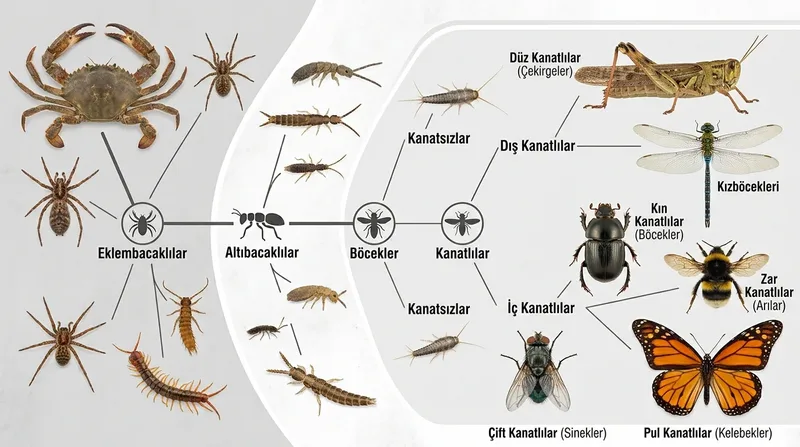
What Is an Insect? Insecta, Arthropods and Nature's Most Successful Animal Group
The short answer to the question of what an insect is: an insect is an animal belonging to the class Insecta within the arthropods, which in the adult stage has six legs, one pair of antennae and a body plan arranged as head, thorax and abdomen. This answer is narrower than the everyday meaning of “a small thing walking around the house”. In daily life it is correct to call the cockroach, the ant, the house fly and the mosquito insects; for spiders, ticks, millipedes, centipedes, woodlice, slugs and worms, the same word is not biologically correct. ...
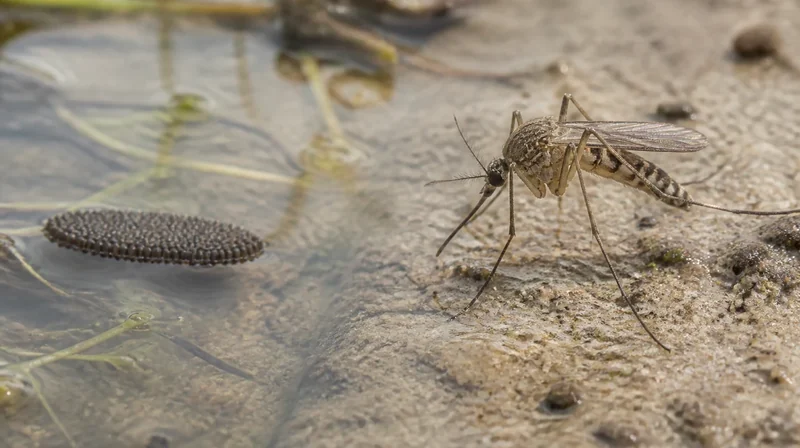
How Long Do Mosquitoes Live, and How Fast Do They Breed?
The adult lifespan of mosquitoes is usually measured not in days but, for females, in a few weeks; development from egg to flying adult can take about 7–14 days under suitable conditions. However, no single timeline applies to all mosquitoes: species, temperature and when the eggs come into contact with water change the duration. The most surprising point is that some eggs can wait without being in water, and the cycle starts again with water. For species and general life information, see the main mosquito guide. ...
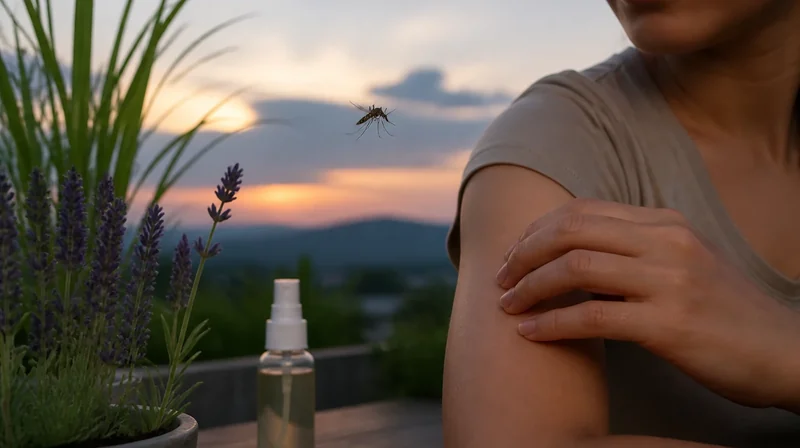
What Repels Mosquitoes? Which Scents Do They Dislike?
Mosquitoes do not definitively flee from any single scent; the effect of scents such as citronella, lavender or lemongrass depends on the product, the concentration and the conditions of use. The really important difference is that a plant sitting on the balcony is not the same thing as a repellent with a known active ingredient and usage label. Understanding how mosquitoes find people also helps you weigh claims about which “natural solution” works. For species, habitats and protection options, you can read the main mosquito guide. ...
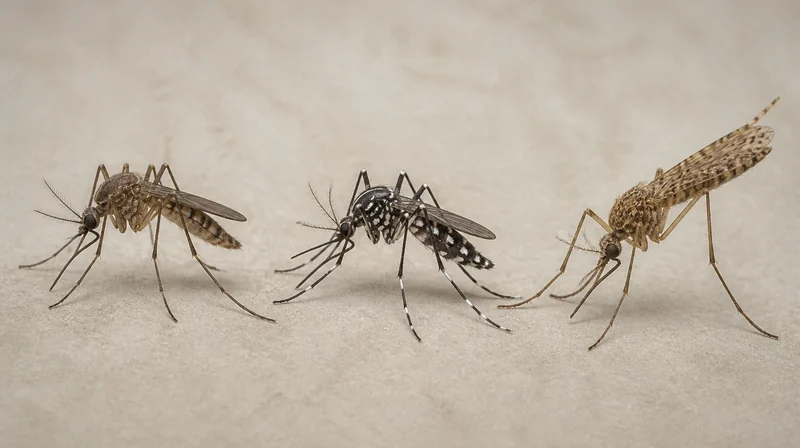
Mosquito Species: Which Mosquitoes Live in Türkiye?
Mosquitoes are not all the same: in Türkiye you mainly come across the Culex, Aedes and Anopheles genera. The three differ in appearance, the hours when they are active and their breeding sites; however, it is not possible to say for certain what species a mosquito is, or whether it carries disease, just by looking at its color. The most surprising difference is that a small stripe or a resting posture can point to biologically different groups. For general information on the life cycle and protection, you can take a look at the main mosquito guide. ...
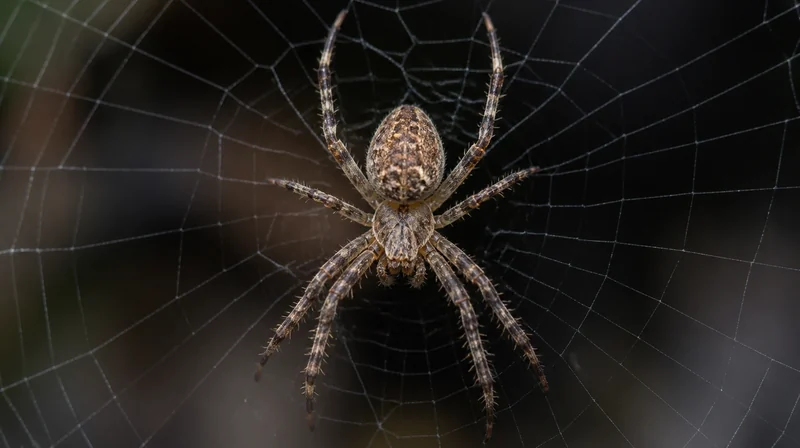
Why Do Spiders Spin Webs, and How Do They Build Them?
A spider builds a web because silk is a multi-purpose material that serves for catching prey, sheltering and protecting eggs. But not every spider builds a prey web; some chase their prey themselves. The really interesting part is that the spider builds its web not like a single piece of thread but by laying threads with different jobs in sequence. To identify the spider you see at home, you can look at the guide to identifying spiders in the house. ...
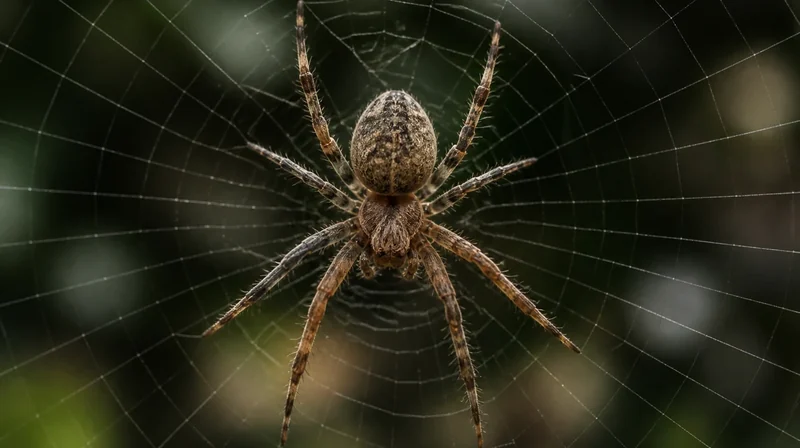
How Many Years Do Spiders Live, and How Many Eggs Do They Lay?
Spiders mostly live from a few months to a few years; a female spider’s egg sac, depending on the species, can contain anything from a few eggs to hundreds, and in some species more. Because “spider” covers thousands of different species, there is no single lifespan or egg count. What is truly surprising is that some females leave the sac in their web while others carry it in their jaws or at the back of their bodies. For basic clues about the species of the spider you see at home, you can look at the guide to identifying spiders in the house. ...
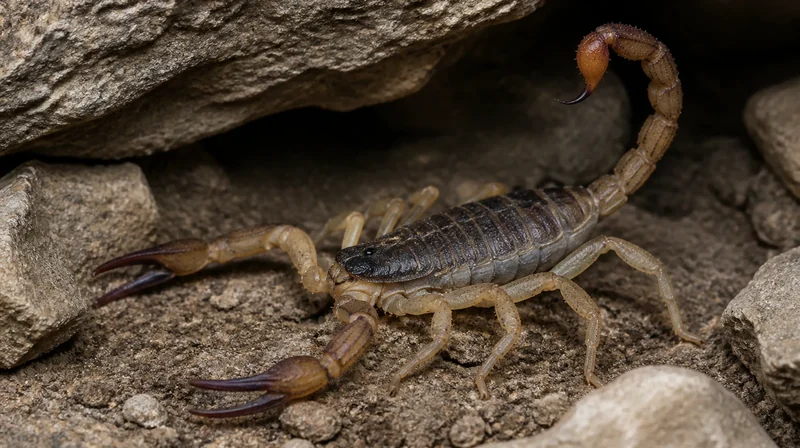
How Many Years Does a Scorpion Live, and How Many Young Does It Have?
A scorpion can live a few years depending on its species; in some species lifespan goes well beyond that, and roughly 3–110 young can be seen in one birth. These wide ranges are not fixed values to be applied to a single scorpion. What is really surprising is that the young climb onto their mother’s back as soon as they are born and that some females can produce more than one brood from a single mating. How long does a scorpion live, how many young does it have, and when do the young leave the mother? The answers vary from species to species. You can find a safe approach to a scorpion you come across at home in the scorpions in the house guide. ...
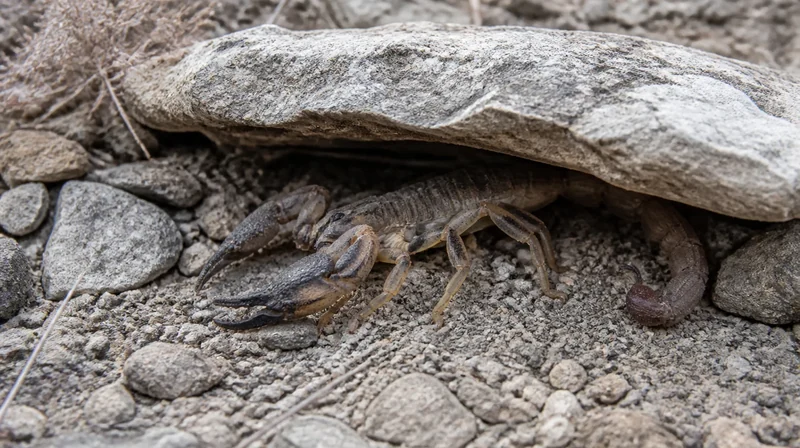
Are There Scorpions in Winter? How Scorpions Survive the Winter
Yes, there can be scorpions in winter; in cold weather most of them move less, but they don’t disappear for the whole winter. The really important distinction is how a scorpion hides in the cold and why in some homes it can be seen in winter too. The term hibernation doesn’t describe the same thing for every species; the temperature of its location and how sheltered it is are decisive. Scorpions are in the same class, Arachnida, as spiders; they are not insects. The guide to entry points and a safe approach when a scorpion is seen at home also explains the basic protection steps. ...
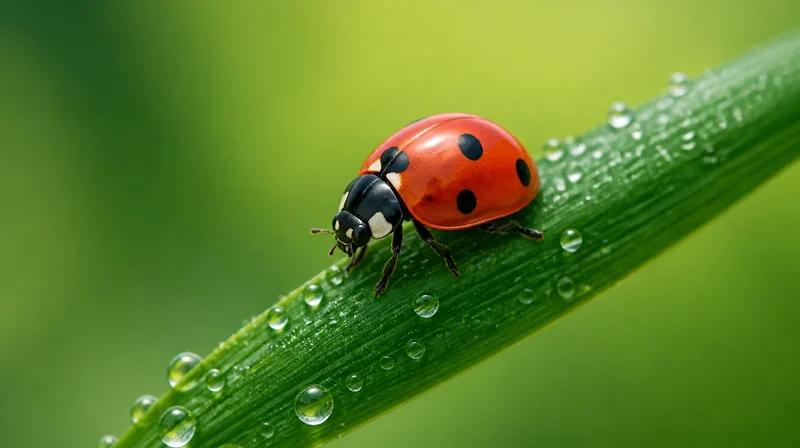
What Do Ladybugs Eat, and How Long Do They Live?
Most ladybugs eat aphids and other small creatures; depending on the species and conditions, the adults can live anywhere from a few months to more than a year. But not all of them are aphid hunters: some species feed on plants, others on fungi. Reducing their lifespan to a single number isn’t right either. Let’s look first at what they eat, then at how long they live. For the species and color diversity of the family, you can check out the main ladybug guide. ...
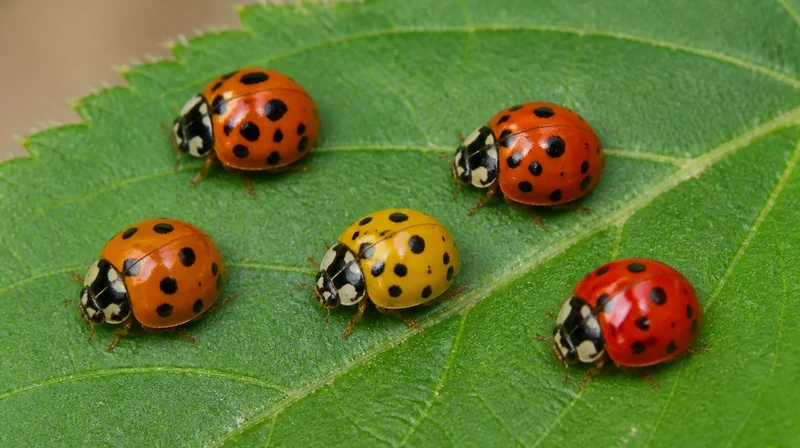
Ladybug Species and Colors: What Does a Yellow One Mean?
A yellow ladybug is not a special sign of luck, age or danger; yellow is one of the natural colors of some species in the family Coccinellidae. What is really surprising is that within the same family, colors range from yellow to orange, red and even black, and the number of spots can vary too. That’s why seeing the color and immediately putting a species name on it is misleading. You can find the general features of the family in the basic ladybug guide; here you can learn what yellow tells you and how to compare species. ...
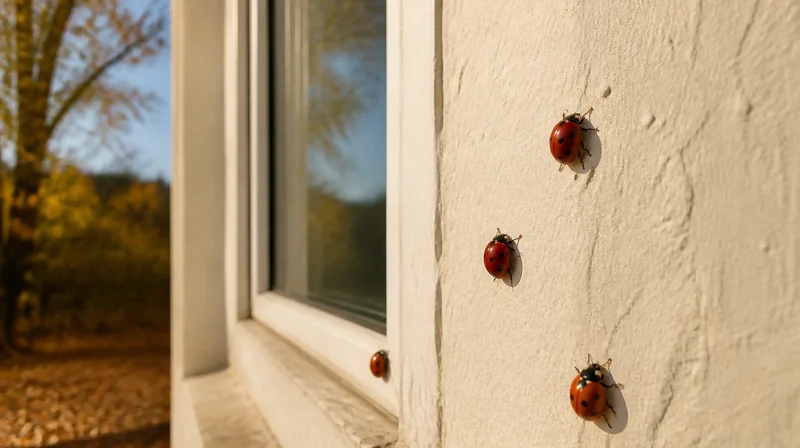
Why Do Ladybugs Come Indoors? Autumn Aggregation
Ladybugs come indoors in autumn mostly because they are looking for a place to shelter from the cold and overwinter. What is really surprising is that the beetle does not mistake the house for food or a nest; most of the time it heads for a warm, bright wall and takes refuge in a gap in the wall. So why do dozens of them appear at once in some houses, do they breed indoors, and how do you get them out without harming them? The main guide on ladybug species and life helps you understand who the individuals you see in your home might be. ...
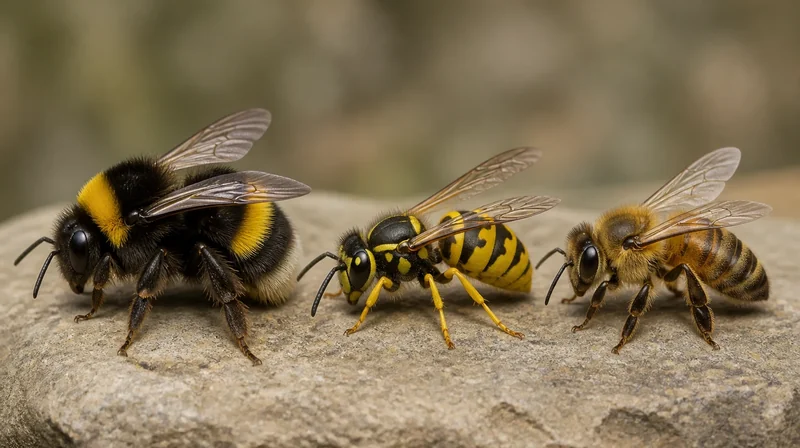
Wild Bee Types: How Do They Differ From Wasps?
No, not every species called a wild bee is a wasp; Bombus bees are also called wild bees, and they don’t produce honey like the honey bee. The really surprising detail is that Bombus stores nectar yet doesn’t turn it into a honey store for winter, and that some tropical social wasps are an exception. To recognize the wasps commonly found in Turkey, you can look at the wasp guide. Are wild bees and wasps the same? No. In everyday Turkish, the name rendered here as “wild bee” does not refer to a single scientific group; it is often used broadly for bees and bee-like members of Hymenoptera living in nature. Wasps, on the other hand, are the species in the family Vespidae. The large, hairy bees called Bombus belong to the family Apidae. That’s why mistaking a Bombus for a wasp, or understanding a single species from the word “wild bee”, is misleading. You can also compare the differences between wasps and honey bees separately. ...